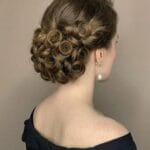
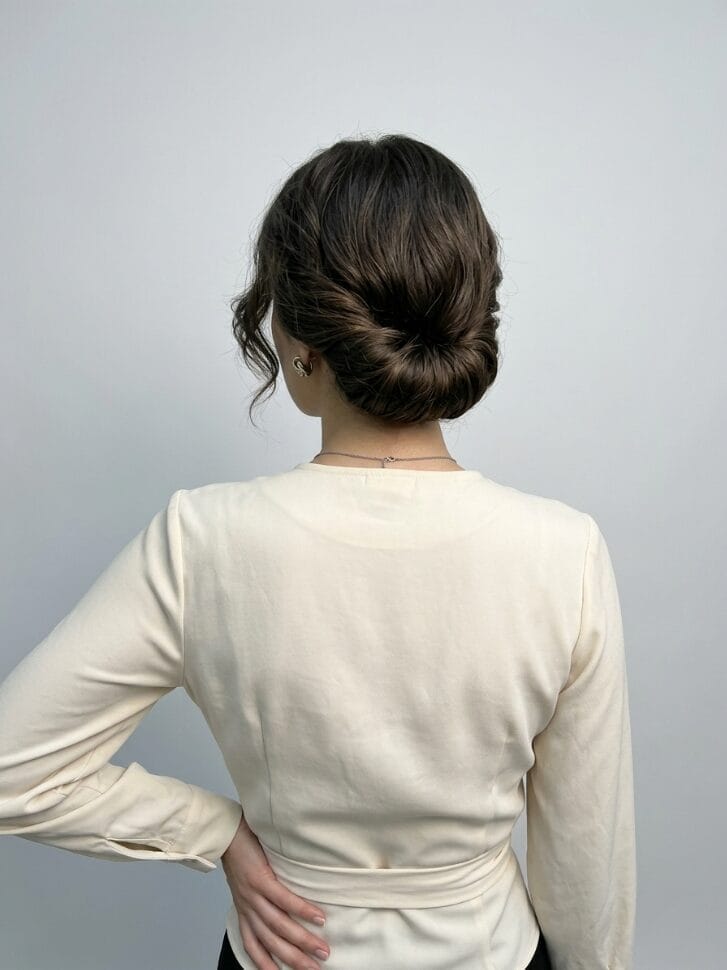
You know that moment when you take your hair down after a long day and find knots, tangles, and random breakage that seemed to appear out of nowhere. A Protective Updo helps cut down on that daily wear and tear by keeping your strands secure and contained. Less friction, less pulling, and fewer opportunities for damage can make a real difference over time. Some styles focus on tucking away fragile ends while others reduce constant handling throughout the day. If you’re trying to build a healthier hair routine, these updos are a smart place to start.
The Wrapped Low Bun
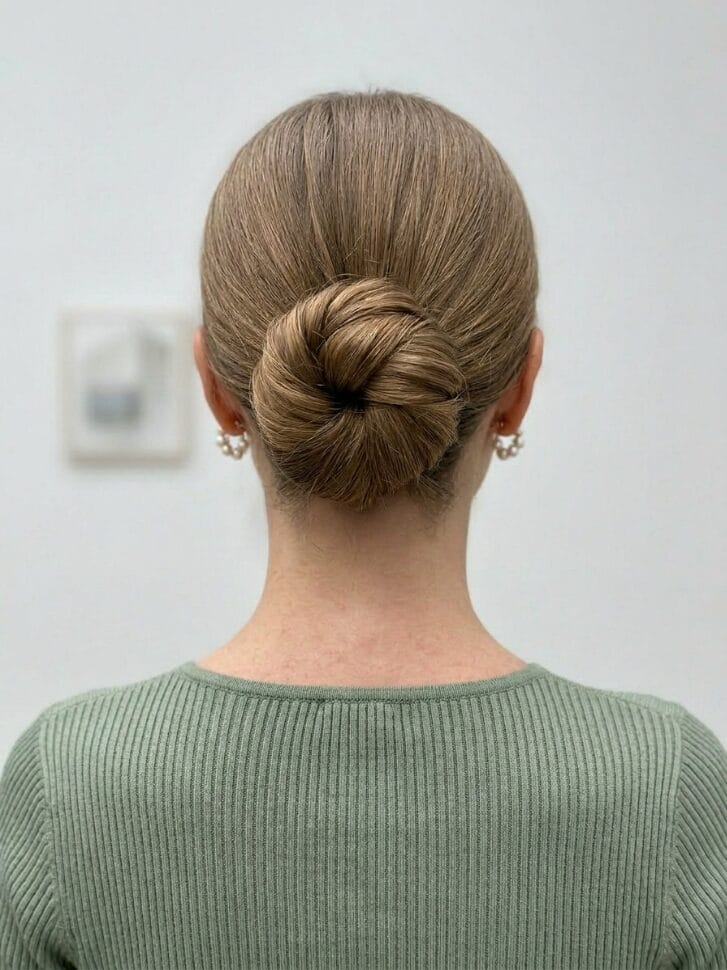
A wrapped low bun keeps the ends tucked away while creating a neat shape that works for almost any occasion. Instead of leaving your hair rubbing against jackets, scarves, or chair backs, everything stays contained in one secure spot. This is the one for when you’re heading into a long day and don’t want to think about your hair again until bedtime. The style feels comfortable, practical, and easy to maintain.
| Style Details | |
|---|---|
| Face Shape | Oval, Round, Heart |
| Hair Texture | Straight, Wavy |
| Hair Type | Fine, Medium, Thick |
| Difficulty Level | Beginner |
| Time to Style | 8 Minutes |
The Tucked Rope Twist Updo
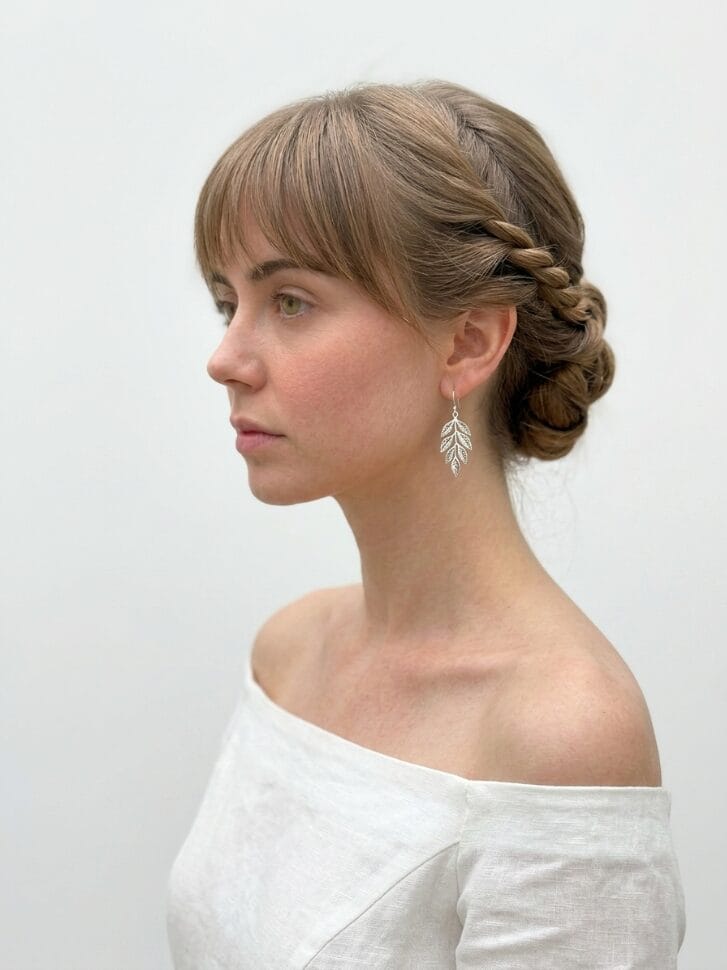
Two rope twists guide the hair into a tucked arrangement that protects the ends while creating subtle texture. You’ll appreciate this style on busy mornings when your hair refuses to cooperate. Reach for this whenever you want something secure without spending twenty minutes in front of the mirror. The tucked finish helps reduce daily manipulation.
| Style Details | |
|---|---|
| Face Shape | Oval, Square, Heart |
| Hair Texture | Straight, Wavy |
| Hair Type | Medium, Thick |
| Difficulty Level | Beginner |
| Time to Style | 10 Minutes |
The Protective Braided Chignon
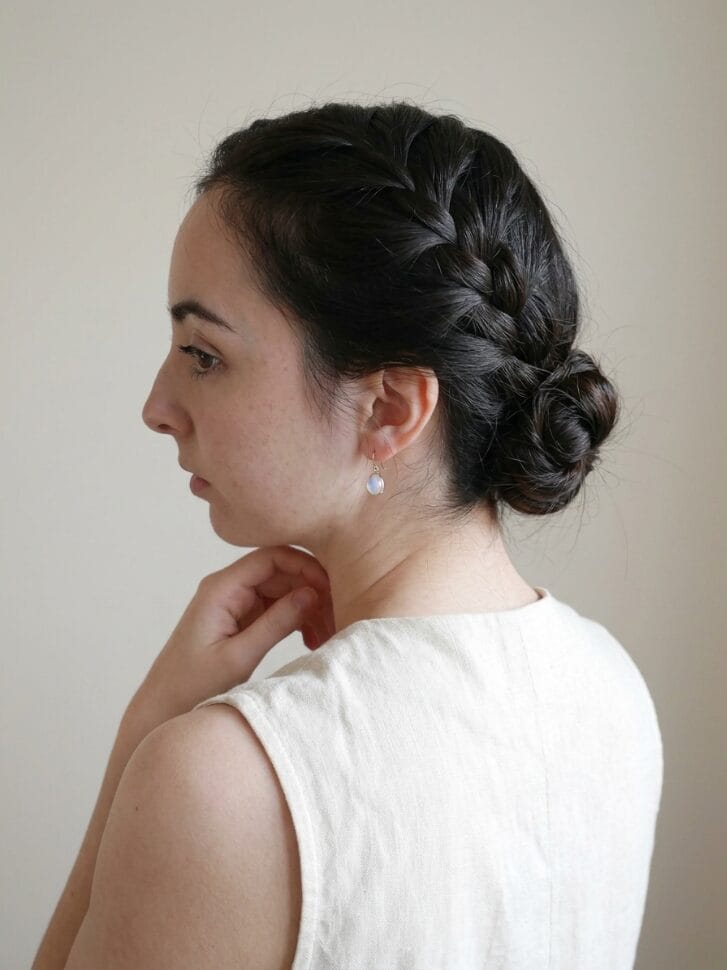
A loose braid feeds into a low chignon that keeps vulnerable ends hidden from daily friction. Soft structure prevents the style from feeling too tight while still providing support. This works best when your hair feels a little dry and you want to minimize unnecessary handling. You’ll often notice fewer tangles by the end of the day.
| Style Details | |
|---|---|
| Face Shape | Oval, Diamond, Long |
| Hair Texture | Straight, Wavy |
| Hair Type | Medium, Thick |
| Difficulty Level | Intermediate |
| Time to Style | 15 Minutes |
The Folded Crown Updo
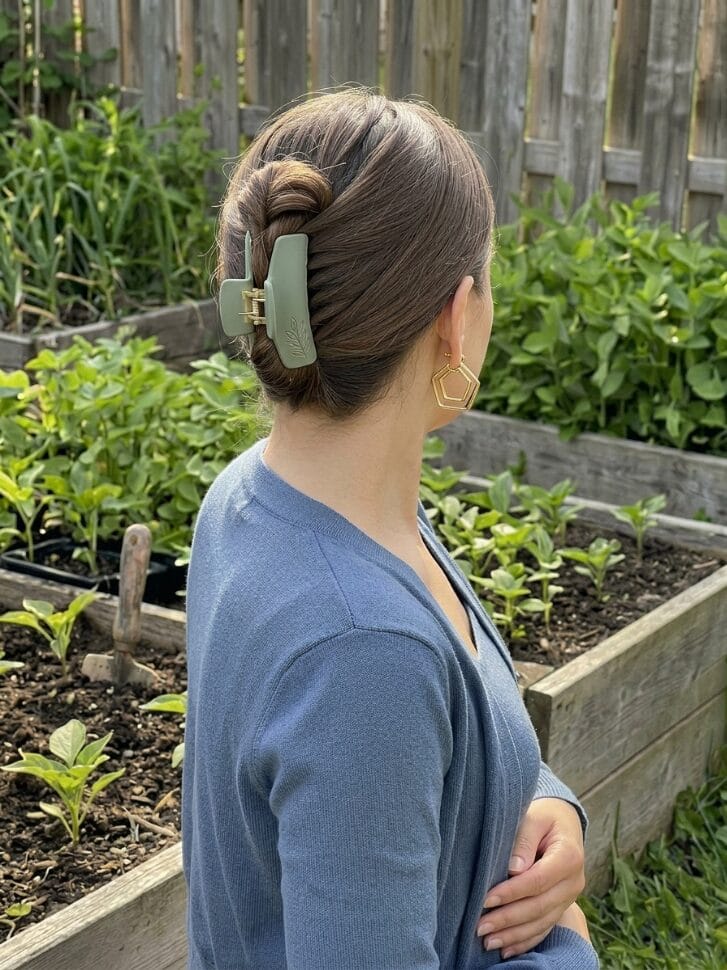
Hair folds inward and secures neatly around the back of the head, keeping the ends protected and contained. Unlike styles that leave sections exposed, this one focuses on reducing contact with clothing and environmental stress. This is the one for when you’re trying to stretch wash day another day or two. The shape stays secure without feeling heavy.
| Style Details | |
|---|---|
| Face Shape | Heart, Oval, Round |
| Hair Texture | Straight |
| Hair Type | Fine, Medium |
| Difficulty Level | Intermediate |
| Time to Style | 12 Minutes |
The Low Manipulation Twist Bun
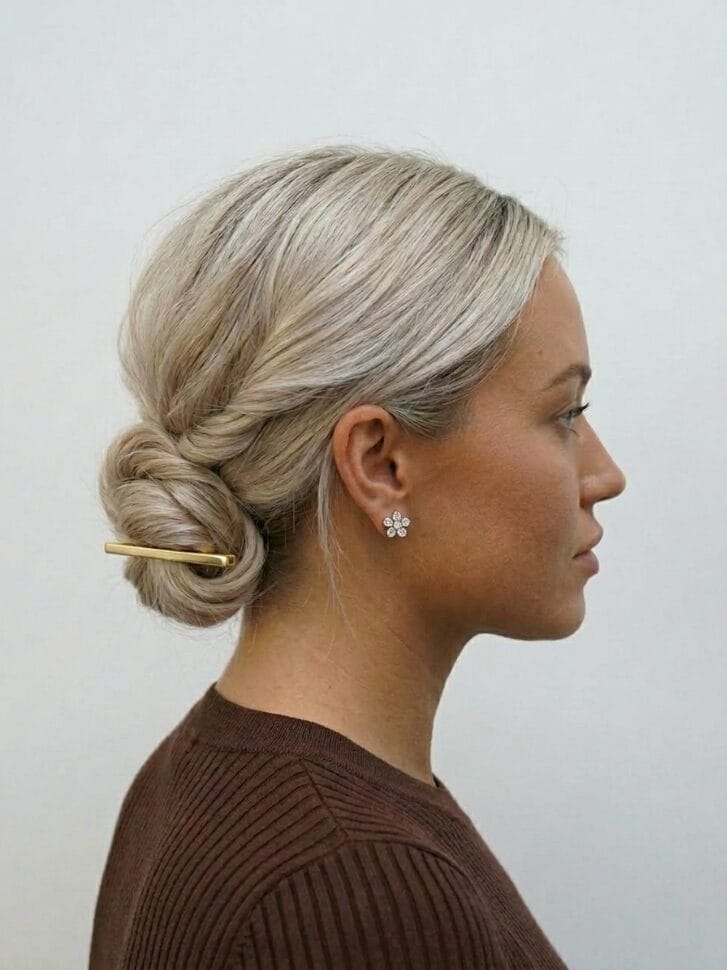
Twisted sections gather into a soft bun that doesn’t require constant adjustments throughout the day. Less touching usually means less breakage over time. Reach for this whenever your hair needs a break from heat styling, brushing, and restyling. The design stays simple while still looking intentional.
| Style Details | |
|---|---|
| Face Shape | Oval, Heart, Square |
| Hair Texture | Wavy, Curly |
| Hair Type | Medium, Thick |
| Difficulty Level | Beginner |
| Time to Style | 10 Minutes |
The Hidden Ends Updo
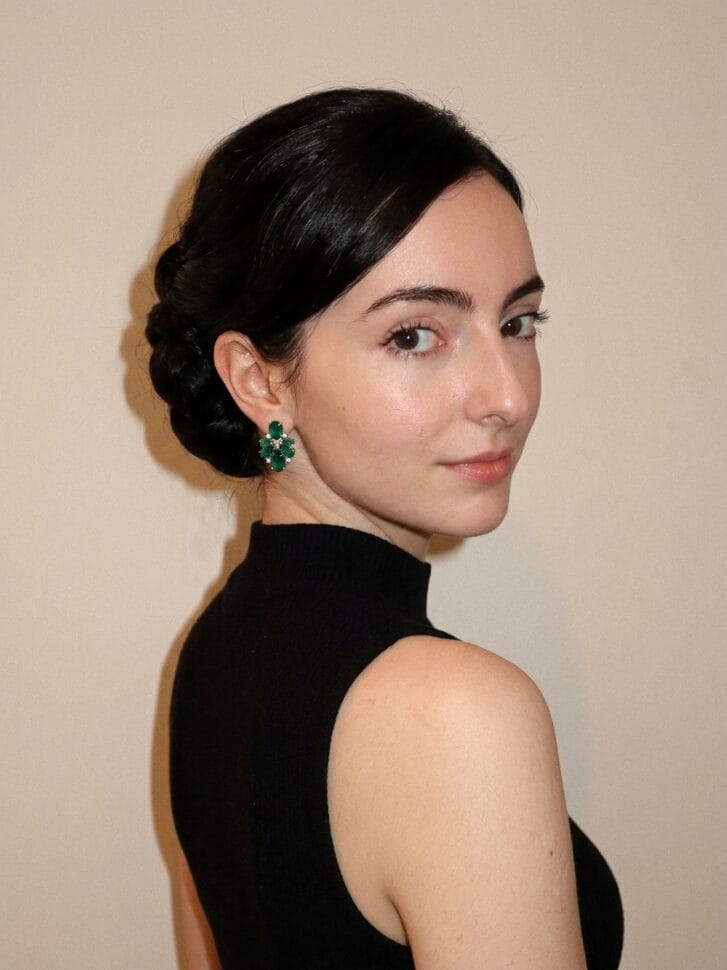
This style focuses on keeping every end tucked away within the structure of the updo. That extra protection helps reduce splitting and snagging during daily activities. You’ll appreciate the difference after spending hours outdoors, commuting, or moving around at work. Everything remains secure without creating excess tension.
| Style Details | |
|---|---|
| Face Shape | Oval, Long, Diamond |
| Hair Texture | Straight, Wavy |
| Hair Type | Fine, Medium |
| Difficulty Level | Intermediate |
| Time to Style | 14 Minutes |
The Soft Protective Roll
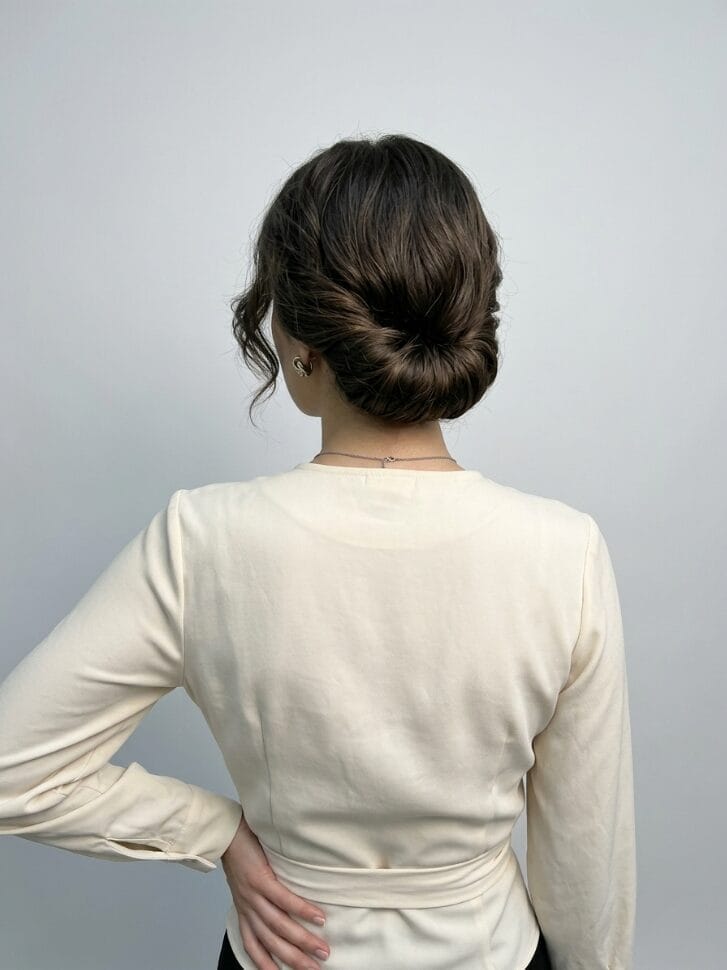
Hair rolls inward into a smooth shape that keeps the strands organized and protected. Gentle structure creates security without putting stress on the scalp. This works best when you’re looking for a style that feels comfortable from morning until night. The rolled shape also helps reduce unnecessary friction throughout the day.
| Style Details | |
|---|---|
| Face Shape | Oval, Round, Heart |
| Hair Texture | Straight, Wavy |
| Hair Type | Fine, Medium, Thick |
| Difficulty Level | Intermediate |
| Time to Style | 12 Minutes |
Pro Tips For Protective Updo Hairstyles
Focus On Protecting The Ends
Most hair damage shows up first at the ends. Keeping them tucked away inside the hairstyle can make a noticeable difference over time. After a few weeks of wearing protective styles regularly, many people notice less tangling and fewer rough sections.
Avoid Pulling Too Tight
A secure style doesn’t need to feel uncomfortable. If your scalp feels sore after styling, the tension is probably too high. Small adjustments often create a healthier balance between hold and comfort.
Rotate Your Updo Placement
Wearing the exact same bun or twist every day can place stress on the same sections repeatedly. Moving the placement slightly from day to day helps distribute tension more evenly across the hair.
Common Mistakes To Avoid
Keeping A Style In For Too Long
Most of us have stretched a hairstyle an extra day because it still looked decent. The problem is that hidden tangles can build up underneath. Taking styles down regularly helps prevent larger issues later.
Forgetting About Moisture
Protective styles help reduce damage, but they don’t replace proper hair care. Dry hair can still become brittle even when tucked away. A consistent moisture routine remains important.
Frequently Asked Questions
How often should I wear protective updos?
You can wear them several times a week as long as you avoid excessive tension and continue caring for your hair properly. Variety helps prevent stress from building in one area.
Are protective updos only for long hair?
Not at all. Medium length hair can work well with many protective styles. Even shorter lengths can benefit from tucked and twisted designs.
Can protective updos help reduce breakage?
They can help by limiting friction, reducing manipulation, and protecting the ends. Results usually become more noticeable when combined with a healthy hair care routine.
Which protective updo is easiest for beginners?
The Wrapped Low Bun and Low Manipulation Twist Bun are often good starting points. Both styles require simple techniques and don’t take much time to create.
Final Thoughts
A Protective Updo can play a valuable role in a healthier hair routine, especially when you’re trying to reduce breakage and daily stress on your strands. The Wrapped Low Bun offers simplicity for everyday wear, while The Hidden Ends Updo focuses on keeping vulnerable ends protected throughout the day. Small changes often add up over time. Share a comment and let everyone know which style you’re planning to try first.